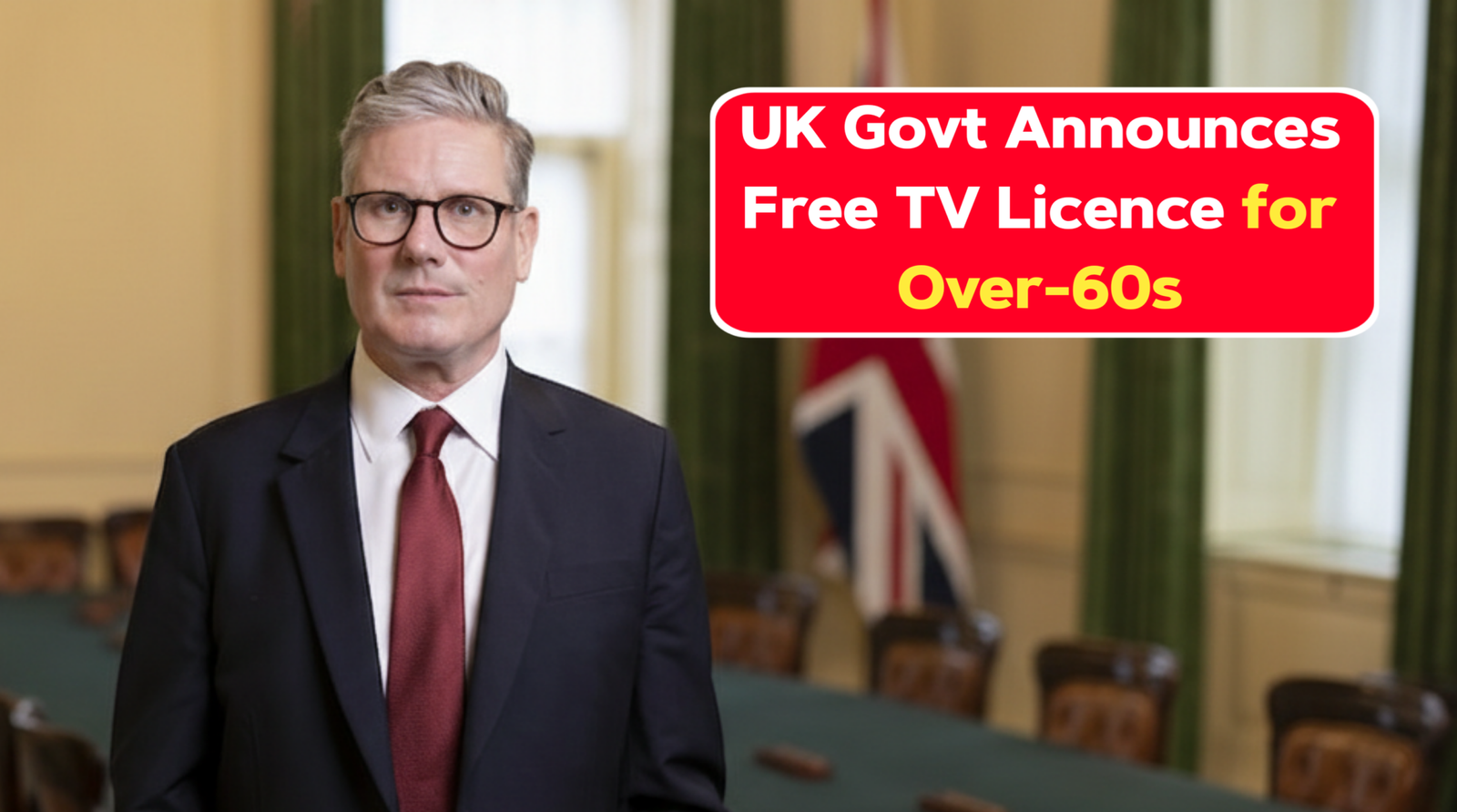
The conversation surrounding the UK TV licence has been a point of contention for years, particularly for the older generation who rely on public service broadcasting for news, entertainment, and a sense of connection to the world. Recent discussions and policy shifts have led to a surge of interest regarding free TV licences for those over 60. Navigating the rules of the BBC and the Department for Culture, Media and Sport can feel like a maze, but staying informed is the best way to ensure you are receiving the benefits you deserve.
Understanding the current TV licence landscape
The TV licence remains a legal requirement for anyone in the UK who watches or records live TV on any channel or device, or uses BBC iPlayer. While the fee supports a wide range of services, it represents a significant annual cost for households on a fixed income. For a long time, the “over-75” rule was the gold standard for concessions, but the landscape has shifted toward means-tested support rather than a blanket age-based benefit.
The idea of lowering this age threshold to 60 has been a recurring theme in public discourse and petition circles. While the government frequently reviews its social support packages, it is vital to distinguish between proposed changes, campaign goals, and the laws currently written in the books. Knowing exactly where the line is drawn helps you avoid potential fines while ensuring you don’t pay a penny more than necessary.
Eligibility criteria for age based concessions
As of the current regulations, the most significant concession is still linked to the age of 75. However, there is a common misconception that simply turning 60 or 75 automatically triggers a free licence. In reality, the free licence for over-75s is now specifically tied to Pension Credit. This means if you or your partner living at the same address receive Pension Credit, you can apply for a free licence once you reach the age of 75.
For those aged 60 to 74, the full fee is typically required unless other specific criteria are met. However, the government and various advocacy groups are constantly under pressure to expand these benefits. If you are in this age bracket, it is worth checking if you qualify for other types of discounts, such as those for individuals living in residential care or those who are registered blind.
The role of pension credit in qualifying
Pension Credit is the “golden key” to unlocking the free TV licence for older residents. It is a means-tested benefit designed to help with living costs if you are over State Pension age and on a low income. Even if you only qualify for a small amount of Pension Credit, it can open the door to thousands of pounds worth of other support, including the free TV licence, help with heating bills, and council tax discounts.
Many people in the UK are eligible for Pension Credit but do not claim it, often because they are unaware they qualify or find the application process daunting. If you are approaching 75 or are already over that age, ensuring your Pension Credit status is up to date is the first and most important step in the application process.
How to apply for your free licence
Applying for a free TV licence is handled by TV Licensing on behalf of the BBC. You do not have to wait until your current licence expires to start the process, though the free licence will only kick in once you meet all the criteria. You can apply online through the official TV Licensing website or by calling their dedicated helpline.
During the application, you will need to provide your National Insurance number and proof of your age and Pension Credit status. The system is designed to cross-reference with the Department for Work and Pensions, making the verification process relatively smooth once you have your paperwork in order. If you are applying on behalf of an older relative, make sure you have their permission and all their details ready to hand.
Discounts for residents in care homes
There is a specific scheme known as the Accommodation for Residential Care (ARC) licence. This is particularly relevant for those over 60 who have moved into sheltered housing or a care home. Under this scheme, residents may only have to pay a significantly reduced fee, sometimes as low as £7.50 per year, rather than the full price of a standard licence.
To qualify for an ARC licence, the accommodation must be part of a group of at least four dwellings within a common boundary and have a warden or a person providing a similar function. This is a crucial distinction for many people in their 60s who are transitioning into supported living environments. It is always worth asking the manager of the facility if they have an ARC licence in place for their residents.
Reductions for people with vision impairment
Another important concession that applies regardless of whether you are 60, 75, or younger is the blind concession. If you or someone you live with is registered as being severely sight impaired (blind), you are entitled to a 50% discount on the cost of your TV licence. This discount applies to the entire household, meaning the licence will cover everyone living at that address.
To claim this, you will need to provide a copy of the certificate or document issued by your local authority or an ophthalmologist confirming the registration. This is a permanent discount that can save a household a significant amount of money over a decade, and it is one of the most under-utilised benefits in the UK.
The impact of digital streaming on licensing
A frequent question for those over 60 is whether they need a licence at all if they only watch streaming services like Netflix, Amazon Prime, or Disney+. The rule is quite specific: if you exclusively watch “on-demand” content on these private platforms (excluding BBC iPlayer), you do not need a TV licence. However, the moment you watch “live” content on any of these platforms—such as a live football match on Amazon Prime or a live news broadcast—you fall back into the requirement for a licence.
For many older viewers who are moving away from traditional broadcast schedules toward curated streaming, this can be a legitimate way to legally stop paying the fee. However, you must be careful. Watching any BBC content on iPlayer, whether live or on-demand, strictly requires a licence. If you decide you no longer need one, you must formally notify TV Licensing to avoid unwanted correspondence or visits.
Challenges facing the over 60 demographic
The “cost of living” crisis has hit the over-60s particularly hard. With energy prices fluctuating and food inflation remaining high, every household expense is under the microscope. For many, the TV is more than just a luxury; it is a primary source of information and a companion. This is why the debate over free licences for the over-60s is so charged with emotion and political weight.
Campaign groups frequently argue that the age for a free licence should be lowered back to 60 or 65 to reflect the earlier retirement age many people used to enjoy. While the government has stood firm on the current means-tested 75+ model, public pressure continues to mount. Staying engaged with these campaigns can help you stay informed about potential future changes to the law.
Avoiding common scams and misinformation
Unfortunately, the topic of free TV licences is often used as a hook for scammers targeting older people. You might receive emails or text messages claiming that your “free licence is waiting” or that your “payment has failed,” asking you to click a link and enter bank details. It is vital to remember that TV Licensing will never ask for your bank details via a link in a text message.
Official communications will usually come through the post or via an email that addresses you by name. If you are ever unsure, the safest route is to close the message and navigate directly to the official TV Licensing website by typing the address into your browser yourself. Protecting your financial data is just as important as saving money on the licence fee itself.
The future of the BBC and the licence fee
The very existence of the TV licence fee is a topic of ongoing debate in Parliament. There have been discussions about replacing the licence fee with a different funding model, such as a broadband levy or a subscription-based service. While no definitive changes have been made for the immediate future, the way we pay for public broadcasting is likely to change significantly over the next decade.
For the over-60s, these changes could be beneficial if a more equitable system is introduced, or they could be challenging if they lead to higher costs for those who prefer traditional television. Keeping an eye on the news regarding the BBC Charter renewal is the best way to anticipate how your household budget might be affected in the long term.
Steps to take if you are struggling to pay
If you do not qualify for a free licence but are finding it difficult to afford the annual lump sum, there are payment plans available. TV Licensing offers weekly, fortnightly, or monthly payment schemes to spread the cost. This doesn’t reduce the total amount you pay, but it can make it much more manageable than a single yearly payment.
Additionally, if you find yourself in financial hardship, reaching out to organizations like Citizens Advice can provide clarity on your rights and other benefits you might be missing. They can help you perform a full “benefits check” to ensure you are receiving everything you are entitled to, which in turn makes paying for essentials like the TV licence much easier.